
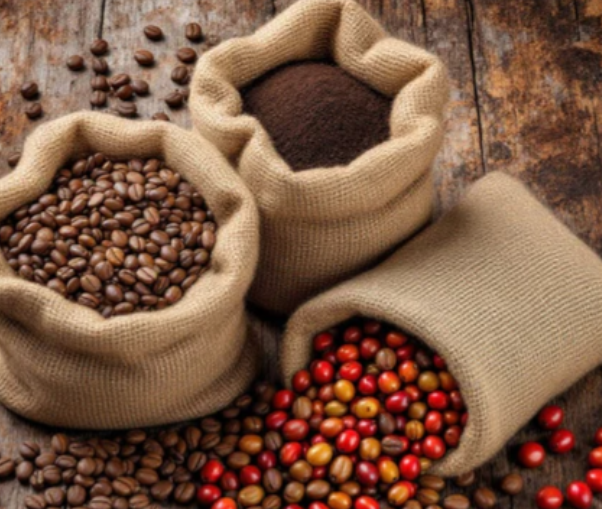
Competing against large established brands can feel overwhelming for small business owners. The budget disparities alone seem insurmountable. But in the coffee industry, a growing number of small roasters have found a genuine and sustainable competitive advantage that no amount of corporate marketing spend can replicate: fresh roasted coffee. When beans are roasted to order and delivered within days, the quality difference compared to products that have spent weeks or months on retail shelves is immediately obvious to any discerning drinker. This freshness advantage is a powerful business lesson hiding inside every paper bag of specialty coffee.
Why Freshness Creates a Category Advantage No Big Brand Can Easily Copy
Large coffee companies face a structural disadvantage when it comes to freshness. Their distribution models, retail partnerships, and inventory management systems all require significant lead time between roasting and purchase. By the time a bag of supermarket coffee reaches a consumer’s pantry, it may be months past its optimal flavor window. Small roasters who ship directly to customers can roast on the day of order and ship within 24 to 48 hours. This creates a product experience that is objectively, measurably superior in a way that even loyal customers of big brands can taste in a simple side-by-side comparison. Freshness is not marketing language here. It is a physical, chemical reality that manifests in the cup.
How to Market Freshness Effectively Without Overstating Claims
Freshness messaging works best when it is specific and verifiable rather than vague. Instead of simply saying “always fresh,” leading specialty brands include roast dates on every bag. This one-line detail communicates transparency, confidence in the product, and respect for the customer’s ability to evaluate quality. Shipping notifications that include roast-to-door timelines add another layer of tangible proof. When a customer receives an email saying their coffee was roasted that morning and will arrive in two days, the anticipation alone becomes part of the product experience. First and Main Coffee Co. at fresh roasted coffee exemplifies this approach, making roast transparency a central part of their customer communication and product identity.
Operational Strategies That Support a Freshness-First Model
Building a business around freshness requires operational discipline that extends far beyond marketing. Roasting schedules need to align with order volume to minimize the gap between production and delivery. Packaging choices matter enormously. Valve-sealed bags that allow CO2 to escape while keeping oxygen out dramatically extend the usable freshness window. Inventory management becomes a strategic rather than purely logistical function. Roasting to demand rather than to forecast requires accurate sales projection tools and strong supplier relationships that can accommodate flexible green bean orders. These operational investments pay back in product quality and customer satisfaction.
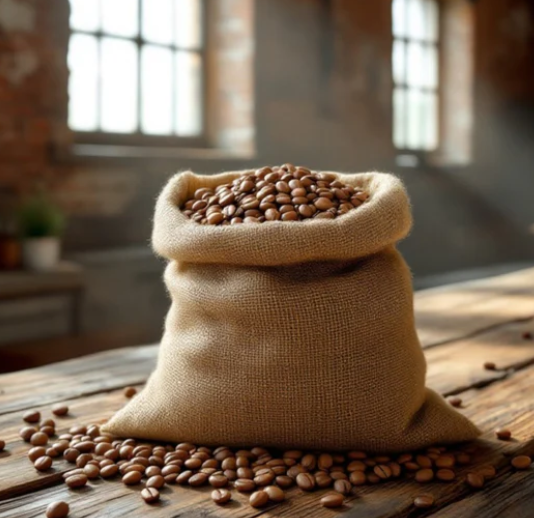
The Future of Freshness-Based Commerce Across Industries
The fresh roasted coffee model points toward a broader shift in consumer commerce: the growing preference for products made closer to the moment of purchase. Whether it is meal kit services, fresh flower subscriptions, or just-in-time manufacturing, the freshness premium is emerging across multiple categories. Businesses that can credibly claim and deliver on a freshness promise will find increasingly receptive audiences as consumers grow more sophisticated and more skeptical of mass-produced alternatives.
Conclusion
The fresh roasted coffee model proves that small businesses do not need enormous resources to outcompete giants. They need a genuine product advantage and the operational discipline to deliver it consistently. Freshness, transparency, and direct customer relationships form a competitive moat that money alone cannot build. That is worth brewing on.