
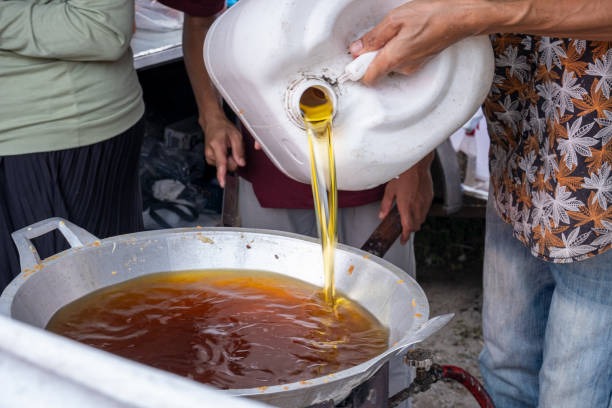
Cooking oil is a kitchen essential, but once it has served its purpose, many people are unsure what to do with it. Pouring it down the sink may seem convenient, yet it can clog plumbing, damage sewer systems, and create environmental problems. Learning how to recycle cooking oil is a simple habit that protects both your home and the planet. Whether you cook occasionally or prepare meals every day, responsible disposal makes a meaningful difference. With reliable waste cooking oil collection services becoming more accessible, recycling used oil has never been easier. Understanding how to recycle cooking oil also helps reduce waste while supporting industries that convert used oil into useful products.
Why Knowing How to Recycle Cooking Oil Matters
Every drop of used cooking oil has value when handled correctly. Instead of becoming waste, it can be processed into renewable products such as biodiesel, industrial lubricants, and other sustainable materials. That is why learning how to recycle cooking oil is more than just proper disposal—it is an environmentally responsible practice.
When oil enters drains or waterways, it can solidify and contribute to expensive plumbing repairs and water pollution. Choosing waste cooking oil collection services ensures the oil is transported safely for recycling instead of becoming an environmental hazard. Making this small change in your routine creates long-term benefits for communities, businesses, and ecosystems alike.
How to Recycle Cooking Oil at Home Without the Mess
Many homeowners believe recycling used oil is complicated, but the process is surprisingly straightforward. Allow the oil to cool completely after cooking. Once cooled, strain out food particles and transfer the oil into a clean, sealed container. Proper storage keeps the oil contained until it is ready for waste cooking oil collection or delivery to a local recycling center.
Keeping a dedicated container for used oil encourages consistent recycling habits. Avoid mixing cooking oil with chemicals, soap, or other household waste, as contamination can reduce its recycling potential. By following these simple steps, how to recycle cooking oil becomes part of an easy kitchen routine instead of an occasional chore.
Simple Habits That Make Recycling Easier
Creating environmentally friendly habits begins with small daily actions. The following practices make how to recycle cooking oil easier and more effective:
- Allow cooking oil to cool completely before handling.
- Store used oil in a tightly sealed, leak-proof container.
- Keep food scraps out of the stored oil whenever possible.
- Schedule regular waste cooking oil collection if large amounts accumulate.
These practical habits help maintain a clean kitchen while ensuring used oil remains suitable for recycling.

Common Mistakes People Make With Used Cooking Oil
Even people who care about the environment sometimes dispose of cooking oil incorrectly. Pouring it into the sink, toilet, or outdoor drains may seem harmless, but it creates long-term maintenance problems and contributes to pollution. Throwing liquid oil directly into household trash can also cause leaking bags and unpleasant odors.
Another common mistake is storing oil in containers without secure lids. Spills are difficult to clean and may attract pests. Understanding how to recycle cooking oil means recognizing these avoidable mistakes and choosing safer alternatives through proper storage and waste cooking oil collection services.
Environmental Benefits of Recycling Cooking Oil
Recycling used cooking oil creates a positive environmental impact in several ways. Instead of becoming landfill waste or polluting waterways, recycled oil becomes a valuable raw material for renewable energy production. Biodiesel made from recycled cooking oil produces lower emissions than many conventional fuels, supporting cleaner transportation and more sustainable industries.
Communities also benefit because fewer sewer blockages occur when residents understand how to recycle cooking oil correctly. Municipal maintenance costs decrease, wastewater systems function more efficiently, and local ecosystems remain healthier. Every household that participates in waste cooking oil collection contributes to a larger environmental solution.
Choosing the Right Waste Cooking Oil Collection Service
If your household, restaurant, or food business generates used oil regularly, partnering with a professional waste cooking oil collection provider offers convenience and reliability. These services collect stored oil safely and transport it to certified recycling facilities where it can be processed responsibly.
When selecting a provider, look for scheduled pickup options, environmentally responsible recycling practices, and secure handling procedures. A dependable collection partner removes the uncertainty from how to recycle cooking oil while ensuring every gallon is recycled efficiently. Businesses especially benefit from consistent pickups that simplify compliance and maintain cleaner workspaces.
Everyday Tips to Improve Your Recycling Routine
Developing consistent habits makes recycling effortless over time. Keep a designated storage container near your cooking area, label it clearly, and empty it regularly through waste cooking oil collection or local recycling programs. Encourage family members to follow the same routine so everyone contributes to responsible disposal.
It is also helpful to avoid overheating cooking oil repeatedly, as degraded oil becomes less effective for cooking. Monitoring oil quality and replacing it when necessary supports both food safety and efficient recycling. The more familiar you become with how to recycle cooking oil, the more naturally it fits into your everyday lifestyle.
How Communities Benefit From Responsible Oil Recycling
Responsible recycling extends beyond individual households. Restaurants, schools, food manufacturers, and community organizations all generate used cooking oil that can be redirected into sustainable recycling programs. As participation grows, cities experience fewer drainage problems, reduced environmental contamination, and increased production of renewable resources.
Educational awareness also encourages younger generations to develop environmentally responsible habits early. By promoting how to recycle cooking oil and supporting waste cooking oil collection initiatives, communities build stronger recycling systems that benefit everyone.
Conclusion
Learning how to recycle cooking oil is one of the simplest ways to reduce household waste while protecting plumbing systems and the environment. Small actions, such as storing used oil properly and using dependable waste cooking oil collection services, create meaningful environmental benefits over time. Whether you are managing a busy family kitchen or operating a commercial food business, responsible recycling transforms used oil into a valuable resource instead of unnecessary waste. By making recycling part of your regular routine, you contribute to cleaner communities, more sustainable industries, and a healthier future for generations to come.