
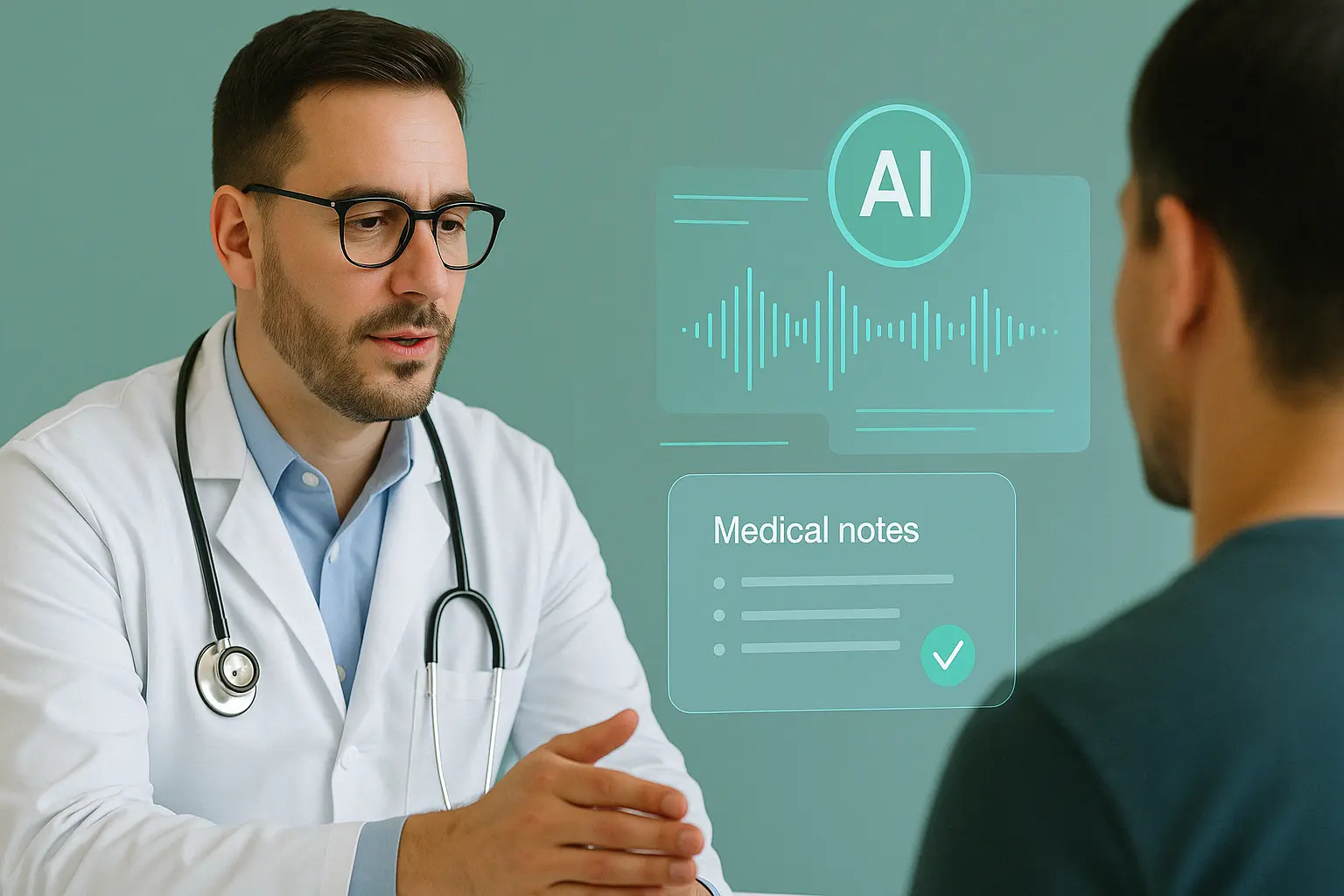
Healthcare professionals are constantly balancing patient care with administrative responsibilities. Among these tasks, documentation often consumes a significant portion of their time. What if that burden could be reduced without compromising accuracy or compliance? That’s where modern digital tools step in, transforming how clinicians record, manage, and utilize patient information. The shift toward smarter systems is not just about convenience—it’s about enhancing patient outcomes while restoring valuable time to providers.
Why clinical documentation software Is Reshaping Modern Healthcare
The evolution of clinical documentation software has been nothing short of transformative. Gone are the days of illegible handwritten notes and scattered patient records. Today’s solutions are designed to streamline workflows, improve accuracy, and ensure compliance with regulatory standards.
One of the most compelling advantages is automation. Instead of manually entering repetitive data, clinicians can rely on intelligent templates and voice recognition tools. This reduces errors and speeds up the documentation process significantly. Additionally, real-time data access allows healthcare providers to make informed decisions quickly, especially in critical situations.
Another important benefit is interoperability. Modern systems integrate seamlessly with electronic health records (EHRs), lab systems, and billing platforms. This creates a unified ecosystem where information flows effortlessly, minimizing duplication and enhancing coordination among care teams.
Key Features That Make clinical documentation software Essential
Understanding what makes these tools indispensable requires a closer look at their core features. While different platforms offer unique capabilities, some functionalities stand out across the board:
- Voice-to-text capabilities that allow clinicians to dictate notes efficiently, reducing typing time and fatigue.
Beyond these features, customization plays a vital role. Healthcare providers can tailor templates to match their specialty, whether it’s cardiology, pediatrics, or mental health. This ensures that documentation remains relevant and precise, avoiding unnecessary clutter.
Security is another cornerstone. With sensitive patient data at stake, these systems employ advanced encryption and compliance protocols such as HIPAA standards. This not only protects patient privacy but also builds trust between providers and patients.
Enhancing Patient Care Through Smarter Documentation
At its core, better documentation leads to better care. When clinicians spend less time on paperwork, they can focus more on patient interaction. This improves communication, fosters stronger relationships, and ultimately leads to more accurate diagnoses and treatment plans.
Moreover, structured and well-organized records make it easier to track patient history over time. Patterns and trends become more visible, enabling proactive care rather than reactive treatment. For instance, chronic conditions can be monitored more effectively, reducing hospital readmissions and improving long-term outcomes.
Another often-overlooked benefit is collaboration. With centralized records, multiple healthcare providers can access and update patient information in real time. This is particularly valuable in multidisciplinary care settings, where coordination is key to success.

Overcoming Challenges and Looking Ahead
Despite its advantages, adopting new technology always comes with challenges. Initial implementation costs, staff training, and resistance to change can pose hurdles. However, these obstacles are often short-lived compared to long-term benefits.
Healthcare organizations that invest in proper onboarding and continuous training tend to see faster adoption rates. Additionally, user-friendly interfaces are making it easier than ever for clinicians to transition from traditional methods to digital systems without feeling overwhelmed.
Looking ahead, the future of documentation lies in artificial intelligence and predictive analytics. Imagine a system that not only records patient data but also suggests potential diagnoses or flags risks before they escalate. This level of innovation is already on the horizon, promising to redefine healthcare delivery.
Conclusion
The shift toward smarter documentation is more than a technological upgrade—it’s a fundamental change in how healthcare operates. By reducing administrative burdens and enhancing data accuracy, modern solutions empower clinicians to do what they do best: care for patients. As adoption continues to grow, these tools will play an increasingly vital role in shaping a more efficient, patient-centered healthcare system.