
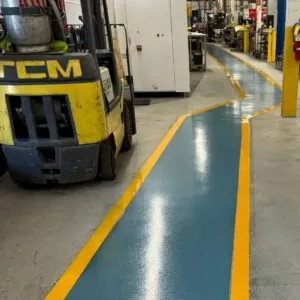
The business conversation around digital transformation can sometimes overshadow an equally important reality. Physical infrastructure still matters enormously. Automation systems, warehouse management software, and IoT sensors all perform best when the environment they operate in is clean, well-maintained, and purpose-built. Warehouse epoxy flooring is a prime example of a physical upgrade that directly enhances the performance of digital tools. Dusty, cracked, or uneven floors interfere with automated guided vehicles, compromise sensor accuracy, and create conditions that no software can compensate for. Smart businesses know that digital and physical infrastructure must evolve together.
How Physical Environments Impact Digital Operations
Warehouse automation is accelerating. Robotic picking systems, automated conveyor belts, and self-driving inventory vehicles are becoming standard in forward-thinking distribution centers. Every one of these systems relies on floor quality to function correctly. Automated guided vehicles require consistently smooth surfaces to navigate accurately. Floor irregularities cause errors that ripple through inventory management systems and create costly exceptions requiring human intervention. A well-specified epoxy floor provides the stable, predictable surface that automation systems need to deliver their promised efficiency gains.
The Role of Flooring in Supply Chain Resilience
Supply chain disruption has become one of the defining business challenges of the past several years. Companies have learned painful lessons about the vulnerability of physical infrastructure to unexpected demand spikes and operational stress. A warehouse that can handle surge conditions, sudden increases in volume, extended operating hours, and the associated increase in floor traffic, is a more resilient one. Epoxy-coated floors hold up under those surge conditions far better than untreated concrete. They do not generate extra dust when traffic doubles. They do not crack when heavier equipment is brought in. That resilience is worth something significant in today’s volatile supply chain environment.
Sustainability Considerations for Modern Warehouses
Sustainability has moved from a corporate talking point to a genuine operational priority for businesses of all sizes. Flooring choices play a small but real role in a facility’s environmental footprint. Warehouse epoxy flooring contributes to sustainability goals in several ways. Its longevity means fewer replacements and less material waste over a facility’s lifetime. Its reflective properties reduce lighting energy consumption. And its seamless, easy-clean surface reduces the need for harsh chemical cleaning agents. For businesses working toward LEED certification or other sustainability benchmarks, these factors are worth including in the calculation.
Making the Case Internally for a Flooring Upgrade
Facility managers who understand the value of warehouse epoxy flooring often face the challenge of building the internal business case. The most effective approach ties the investment directly to measurable outcomes: reduced maintenance costs, fewer incident reports, lower equipment maintenance expenses, and improved throughput. Gathering two or three years of maintenance and incident data, then modeling the impact of a quality flooring system against that baseline, typically produces a compelling return on investment analysis. It transforms the conversation from spending money on the floor to investing in operational performance.
Conclusion
Physical and digital infrastructure are not competing priorities. They are complementary ones. Warehouse epoxy flooring is a physical investment that makes digital tools more effective and operations more resilient. In a business environment where every efficiency gain matters, overlooking the floor is simply leaving value on the table.